Blog
June 30, 2026
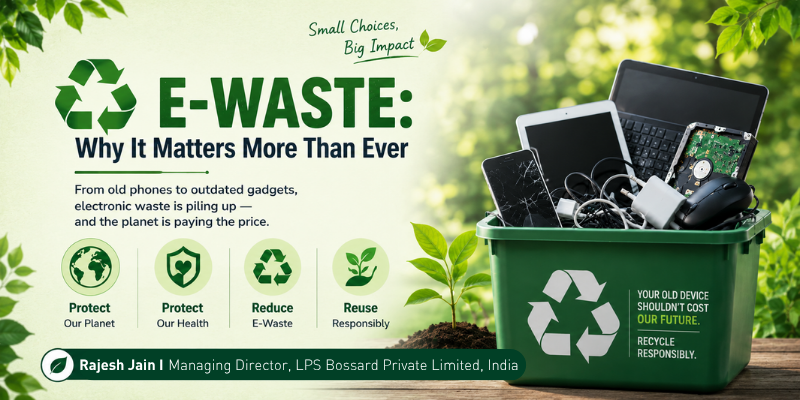
Imagine opening a drawer in your home and finding old mobile phones, tangled charging cables, outdated laptops, or broken headphones collecting dust. Most of us have at least a few unused electronic devices tucked away somewhere. While they may seem harmless, these forgotten gadgets are part of one of the world's fastest-growing environmental challenges: electronic waste, or e-waste.
As technology evolves at an unprecedented pace, we upgrade our devices more frequently than ever before. New smartphones are released annually, laptops become obsolete within a few years, and household appliances are constantly replaced with smarter alternatives. While innovation improves our lives, it also creates a growing mountain of discarded electronics. Understanding why e-waste matters is the first step toward building a more sustainable future.
💻 What Is E-Waste?
E-waste refers to any discarded electrical or electronic device that has reached the end of its useful life or is no longer wanted. It includes a wide variety of products such as:
- Smartphones and tablets
- Computers and laptops
- Televisions and monitors
- Printers and scanners
- Refrigerators and washing machines
- Batteries and chargers
- Small household appliances
- Electronic toys and wearable devices
Not every old electronic device immediately becomes waste. Many can still be repaired, refurbished, donated, or recycled, extending their lifespan and reducing their environmental impact.
🌍 The Growing E-Waste Crisis
The world is producing more electronic waste than ever before. Rapid technological advancements, shorter product life cycles, and increasing consumer demand have led to a dramatic rise in discarded electronics. Unfortunately, only a fraction of this waste is collected and recycled through proper channels.
Many obsolete devices end up in landfills, are burned in open areas, or are dismantled using unsafe methods. These practices not only waste valuable resources but also threaten ecosystems and public health.
⚠️ Why E-Waste Matters
🌱 1. It Pollutes the Environment
Many electronic devices contain hazardous substances, including lead, mercury, cadmium, and brominated flame retardants. When e-waste is dumped in landfills or burned, these toxic materials can seep into the soil, contaminate groundwater, and pollute the air.
This pollution affects wildlife, damages ecosystems, and can remain in the environment for many years.
❤️ 2. It Poses Serious Health Risks
Improper handling of e-waste exposes workers and nearby communities to dangerous chemicals. Informal recycling operations often involve burning wires to extract copper or using harmful acids to recover precious metals.
Long-term exposure to these toxic substances has been linked to:
- Respiratory diseases
- Nervous system disorders
- Kidney and liver damage
- Developmental issues in children
- Increased risk of certain cancers
Protecting human health requires safer recycling practices and greater public awareness.
💎 3. Valuable Resources Are Being Wasted
Electronic devices are far more valuable than they appear. Inside every smartphone, laptop, or circuit board are precious and useful materials such as:
- Gold
- Silver
- Copper
- Aluminum
- Palladium
- Rare earth elements
Recovering these materials through responsible recycling reduces the need for mining, conserves natural resources, and lowers energy consumption.
🌡️ 4. It Increases Carbon Emissions
Manufacturing electronic devices requires enormous amounts of energy, water, and raw materials. Every time a product is discarded prematurely, manufacturers must produce another one to replace it.
Extending the life of electronics through repair, reuse, and refurbishment reduces greenhouse gas emissions associated with manufacturing and transportation.
📱 The Hidden Cost of Fast Technology
Consumers often replace perfectly functional devices simply because newer models offer improved features or better performance. While upgrading can be appealing, it contributes to a culture of excessive consumption.
Manufacturers also play a role by designing products that are difficult to repair or upgrade. Limited availability of spare parts and software support often shortens a device's lifespan, encouraging replacement instead of repair.
Choosing durable, repairable products helps reduce unnecessary waste and supports a more sustainable economy.
🔄 What Happens to Your Old Electronics?
After disposal, electronic devices may follow several different paths:
- They are refurbished and sold for continued use.
- They are dismantled to recover valuable materials.
- They are safely recycled at certified facilities.
- They are exported to countries with weaker waste regulations.
- They end up in landfills, where they may release harmful chemicals over time.
The final outcome largely depends on how consumers choose to dispose of their devices.
🌿 How You Can Reduce E-Waste
Reducing e-waste doesn't require drastic lifestyle changes. Small, thoughtful decisions can make a significant difference.
📱 Use Devices for Longer
Avoid replacing electronics simply because newer versions are available. If a device still meets your needs, continue using it.
🔧 Repair Instead of Replace
Many common issues—such as broken screens, weak batteries, or damaged charging ports—can be repaired at a fraction of the cost of buying a new device.
🎁 Donate or Sell Working Electronics
If your device still functions, consider donating it to schools, charities, or community organizations, or selling it to someone who can continue using it.
♻️ Buy Refurbished Electronics
Refurbished devices are professionally restored, tested, and often come with warranties. Choosing refurbished products reduces demand for new manufacturing while saving money.
🗑️ Recycle Responsibly
When a device reaches the end of its life, recycle it through authorized e-waste collection centers. Proper recycling ensures hazardous materials are handled safely and valuable components are recovered.
🏢 How Businesses Can Make a Difference
Companies have an important role in reducing electronic waste by:
- Designing products that are durable and repairable.
- Offering take-back and recycling programs.
- Using recycled materials in manufacturing.
- Reducing unnecessary electronic upgrades.
- Educating customers about responsible disposal.
Sustainable product design benefits both businesses and the environment.
🔄 Building a Circular Economy
Instead of the traditional "take, make, and dispose" model, many experts advocate for a circular economy, where products are designed to last longer, be repaired easily, and be recycled efficiently.
In a circular economy:
- Products remain in use for longer.
- Materials are recovered and reused.
- Waste is minimized.
- Natural resources are conserved.
- Environmental impacts are reduced.
This approach creates economic opportunities while supporting long-term sustainability.
🤝 A Shared Responsibility
Solving the e-waste challenge requires action from everyone.
- Consumers can make informed purchasing and recycling decisions.
- Businesses can design products with longevity and recyclability in mind.
- Governments can strengthen recycling systems, enforce environmental regulations, and encourage sustainable manufacturing.
When all stakeholders work together, the environmental and economic benefits are substantial.
🌱 A Sustainable Future
Electronic devices have transformed modern life, connecting us, improving productivity, and driving innovation. Yet every new gadget carries a responsibility that extends beyond its useful life.
E-waste is not simply a disposal problem—it is a resource management challenge, a public health issue, and an environmental concern. By using electronics for longer, repairing rather than replacing them, and recycling responsibly, each of us can help reduce pollution, conserve valuable resources, and support a more sustainable future.
The next time you consider replacing a device, ask yourself one simple question: Can this product be used, repaired, or recycled instead? The answer could make a meaningful difference—for your wallet and for the planet.
Share :
Recent Post
-

♻️ E-Waste: Why It Matters More Than Ever
June 30, 2026 -

☀️ Top 10 Benefits of Switching to Solar Energy Today
June 17, 2026 -

⚡ Electric Mobility: Driving Toward a Cleaner Tomorrow
June 17, 2026 -

🌿 Eco-Friendly Habits for Everyday Life
June 17, 2026 -

💧 Saving Water, Saving Life : A Call for Action
March 30, 2026 -

♻️ Waste Segregation: A Simple Step Toward Clean Living
January 31, 2026 -

☀️ Why Solar Energy Is the Key to a Sustainable Future
December 27, 2025 -

🌳 How Forests Help Fight Climate Change
December 24, 2025 -

🌍 What Is Climate Change?
November 29, 2025 -

Bhagwan Mahavir: A Visionary of Truth, Simplicity, and Self-Discipline
September 27, 2025 -

🌍 9 Ways to Reduce Your Carbon Footprint
August 18, 2025 -

High-Oxygen Trees for Sustainable Living
July 26, 2025 -

5S at LPS Bossard India: Small Steps, Big Impact
July 09, 2025 -

Say No to Tobacco: A Path to a Healthier Life
April 01, 2025 -

Stop War, Spread Love - Together for Peace!
January 02, 2025 -

Say No to Plastic: A Step Towards a Greener Future
October 06, 2024


Copyright © 2024 Rajesh Jain | All Rights Reserved.
